Breaking the Chains: A Deep Dive into Frigyes Karinthy’s Masterful Short Story “Chains”
What binds us together? What truly connects us to others in a seemingly chaotic world? These are the profound questions at the heart of "Chains", a mesmerising short story by Hungarian author Frigyes Karinthy. First published in 1929, the story remains a timeless classic, exploring the intricate nature of human relationships and destiny.
Frigyes Karinthy, perhaps best known for his introduction of the “Six Degrees of Separation” concept, masterfully weaves a story that is both simple in its setting and extraordinary in its meaning. "Chains" is a story about coincidence, connection, and the threads of fate that tie strangers together. Karinthy’s inimitable knack for blending wit with depth ensures that this story remains deeply relatable, even over 90 years after it was written. Are you ready to uncover the story that has resonated with so many? Let’s dive in.
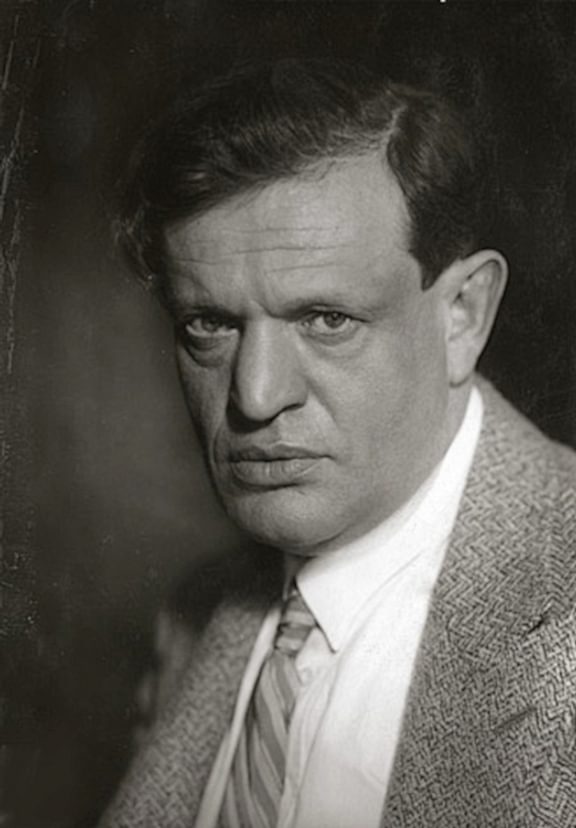
About the Author
Frigyes Karinthy was a literary genius like no other. A playwright, poet, journalist, and novelist, he was a central figure in Hungarian literature during the early 20th century. What makes Karinthy stand out is not just his versatility but his innovative thinking—he always sought to challenge conventional structures and motivate readers to think critically about humanity and the systems that surround us.
His eclectic works often merge philosophy, humor, and profound insight. While Karinthy is widely celebrated for his book "Journey Around My Skull" (an autobiographical account of brain surgery), the short story “Chains” showcases another facet of his artistry—his ability to distill complex ideas into tightly-wrapped narrative gems. A pioneer of speculative thought, Karinthy’s works remain highly influential, inspiring modern authors tackling themes of a connected world.
Story Discovery
Without diving into spoiler territory, "Chains" begins with what seems like a chance encounter. A man recalls a brief series of interactions—each seemingly insignificant on their own—accumulating into something larger and deeply symbolic. While the story meanders through ordinary events, Karinthy injects them with an unnerving sense of purpose, teasing the invisible strings that connect lives.
At its core, “Chains” examines the domino-like effect that a single action can set into motion. The protagonist’s reflection on fleeting events ultimately leads to an epiphany: the realisation of how interconnected we truly are. It is in this web of connections that Karinthy sows his now-famous “six degrees of separation” hypothesis, a concept that has since transcended literature to become a cultural and social phenomenon.
One of the primary themes of "Chains" is interconnectedness. Karinthy explores the idea that every action, no matter how small or banal, could ripple across the universe and affect countless others. He portrays life as a tapestry of connections, with every thread relying on those it touches.
Another significant theme is fate versus randomness. Karinthy plays with the idea of coincidence and questions whether it is truly random or if an invisible force—fate or destiny—is at work shaping outcomes. Readers will grapple with these existential questions long after reading the last sentence.
In addition, “Chains” touches on the emotional and spiritual mysteries of human relationships. The story challenges readers to consider the ways they impact others, as well as how they are shaped by the actions of people they may never see or meet.
Frigyes Karinthy’s writing is a masterclass in subtlety and introspection. His style is direct, yet every word feels deliberate, charged with latent power to provoke deeper thought. In “Chains,” he employs a narrative technique of retrospection, where the protagonist looks back on events, transforming the mundane into something extraordinary and meaningful.
Karinthy’s ability to build tension through simplicity is unparalleled. For example, small, seemingly insignificant details—a bumbling stranger at a café or an offhand comment by a passerby—are imbued with weight and consequence. These details work together to create a mosaic of human connection, whereby the reader is compelled to reflect on their own life and relationships.
His narrative pacing is another standout feature. Karinthy begins with an almost leisurely approach but tightens the emotional grip as the story progresses. For instance, the protagonist's realization that every moment of their life has been leading to a crucial conclusion is shared with the reader in a way that seems deceptively casual—until the striking epiphany makes your heart skip a beat.
While "Chains" may not be as globally celebrated as some of Karinthy’s other works, it has nonetheless left an indelible mark on readers and critics alike. The story’s exploration of human connection has resonated deeply across generations and inspired further discussions around the “six degrees of separation” idea. Today, this concept lives on in everything from scientific studies on social networks to the popular “Six Degrees of Kevin Bacon” game.
Critics often praise "Chains" for its ability to balance philosophical weight with accessibility, making Karinthy’s insights universally understandable. The story has even been cited as an example for modern screenwriters and playwrights looking to explore themes of interconnectedness, especially in ensemble dramas.
Fans of the short story frequently share how it changed the way they view the world—seeing their own lives as part of a grander and more intricate web. If one story could subtly shift someone’s perspective of their existence, “Chains” might just be the one to do it.
Frigyes Karinthy’s “Chains” is a literary masterpiece that reminds readers of the invisible threads that connect us all. With thought-provoking themes, masterful storytelling, and a narrative style that lingers long after the story is done, it’s no wonder this short piece has remained so impactful over the decades.
Whether you’re a writer seeking inspiration or a reader searching for stories that challenge the way you see the world, “Chains” is a must-read. Karinthy’s legacy as a trailblazer of philosophical thought and a champion of human interconnectedness shines brightly through this timeless work.
Discover “Chains” for yourself, and perhaps—you’ll start to notice the intricate threads weaving through your own life.
Other posts

Discovering Ernest Hemingway’s Masterpiece: A Closer Look at “An Alpine Idyll”
Step into the world of Ernest Hemingway with “An Alpine Idyll,” as we explore his exceptional storytelling, evocative themes, and timeless writing style.

Unlocking Immortality: A Closer Look at How to Live to be 200 by Stephen Leacock
Dive into Stephen Leacock's hilarious short story and his witty take on life advice, blending satire and humour to reflect on human ambition.

Unveiling the Abyss: Exploring "From Beyond" by H.P. Lovecraft – A Tale of Hidden Realities
Discover H.P. Lovecraft's "From Beyond," a chilling tale of unseen dimensions and the horrors they reveal, showcasing his unparalleled imagination.